
Find the FRT-15 For Sale Here – In Stock Options Listed Daily
Looking for a dependable way to handle your thermal printing needs without constant troubleshooting? The FRT-15 for sale is a compact, direct thermal receipt printer designed to deliver crisp, smudge-free output with minimal maintenance. Simply load the paper roll, connect it via USB or serial port, and let its fast printing engine handle high-volume transactions smoothly. Its durable build and simple operation make it a practical choice for busy countertops, saving you time wot trigger and frustration every single day.
What Exactly Is an FRT-15 and How Does It Work?
The FRT-15 is a drop-in forced reset trigger designed for AR-15 platforms, and when you see an FRT-15 for sale, you’re looking at a part that uses the rifle’s recoil energy to physically push the trigger forward after each shot. This mechanical action resets the trigger faster than a standard trigger, allowing you to fire faster mp5 frt trigger than traditional semi-auto setups. When you install it, the trigger’s sear and disconnector work together with the bolt carrier group’s rearward travel to complete the cycle. You pull and hold the trigger, and the reset happens automatically via spring tension and the bolt’s momentum, not a bump stock or modification. For anyone browsing an FRT-15 for sale, the key is that it’s a straight swap into a standard lower—no gunsmithing needed—and every pull still requires your finger to actuate the shot, making it a unique mechanical upgrade for range sessions.
Understanding the Core Mechanism of a Forced Reset Trigger
Understanding the core mechanism of a forced reset trigger means recognizing that the FRT-15’s action relies on a sear that is physically pushed forward by the bolt carrier during recoil, rather than being released by a second pull of the trigger. This forced reset instantly returns the trigger shoe to its forward position while the bolt is still cycling, allowing the shooter to apply a continuous rearward pull for the next shot. The timing is precise: the trigger must reset before the bolt closes, yet not so early that it causes a runaway. This mechanical synergy—not a modification to the fire control group’s legal classification—is what defines the FRT-15’s rapid, controlled fire. When evaluating an FRT-15 for sale, verify that the trigger’s reset lever interacts cleanly with your bolt carrier’s cam path, as misalignment will cause malfunctions.
- The reset lever’s contact surface must match your bolt carrier’s geometry for reliable forced reset timing.
- A correct forced reset trigger requires a minimum bolt travel speed to function; heavy buffers can interrupt reset.
- The trigger shoe’s return force is set at the factory—do not adjust it, or you risk disabling the forced reset.
- Dry-fire testing cannot confirm reset function; you need live ammunition for the bolt to cycle fully.
The Difference Between a Standard Trigger and This Upgrade
A standard trigger resets only after you fully release it, forcing your finger to travel forward and stop before the next shot. The FRT-15 upgrade, however, uses a sliding, spring-loaded mechanism that releases the sear *during* your trigger pull’s forward return, without a distinct manual reset point. This lets you fire each round at the exact moment your finger reaches the reset zone, which dramatically speeds up follow-up shots. The key is muscle memory—you must learn to “ride” the trigger forward, not slap it. For an frt-15 for sale, this difference changes your entire shooting rhythm.
- Standard triggers have a fixed wall; the FRT-15 has a moving, https://rarebreedtriggertx.com/ dynamic contact surface.
- Standard triggers require a full finger lift; the FRT-15 only needs a short, controlled release.
- Standard triggers demand deliberate re-engagement; the FRT-15 fires automatically upon reset contact.
Key Components You’ll Get When You Purchase One
When you purchase an FRT-15, the kit includes the complete trigger group housing, pre-assembled with the forced-reset sear, hammer, and disconnector—each machined to mil-spec tolerances ps90 frt trigger for drop-in compatibility. You receive the proprietary cam track that initiates the reset cycle, plus a reinforced trigger bar designed to withstand rapid cyclic stress. A detailed installation guide accompanies the unit, covering pin alignment and function checks. Notably, the included buffer spring differs from standard AR-15 variants, optimized for the FRT’s recoil impulse. The package also contains spare roll pins and a torque specification card for the hammer pin.
- Mount the trigger housing into the lower receiver.
- Insert the cam track and verify its free rotation.
- Install the buffer spring and test reset by hand-cycling.
All components are serialized to the housing, ensuring traceable assembly integrity.
How to Choose the Right FRT-15 for Your Rifle Setup
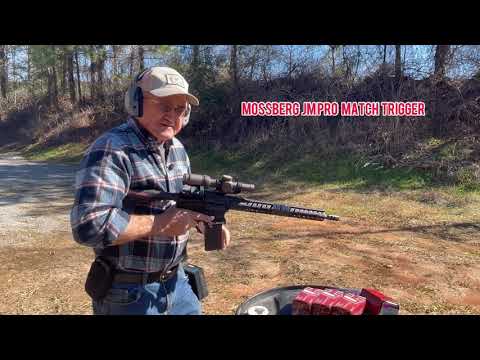
When scanning frt-15 for sale, matching the trigger to your rifle’s buffer weight and gas system is non-negotiable—a lightweight BCG with a tuned carbine buffer cycles faster, while a heavy setup may cause bolt bounce. Check the hammer profile against your bolt carrier’s tail; a mil-spec BCG with a taller firing pin tip ensures reliable primer strikes at high cyclic rates. For pistol-length builds, prioritize a low-profile FRT-15 with a short reset, but confirm your trigger pocket depth accommodates the housing. Buy from vendors who list compatibility charts for AR-15 platforms, and always verify the sear engagement frt 15 trigger angle with your upper’s cam pin channel. Test dry-fire function before installing, and keep spare return springs—cheap insurance for sustained runs. Your gas tube alignment and buffer spring stiffness ultimately dictate whether that frt-15 for sale performs flawlessly or jams under rapid fire.

Compatibility Checks: Which Lower Receivers Work Best
When checking lower receiver compatibility for your FRT-15, mil-spec AR-15 lowers are your safest bet, as the trigger’s geometry aligns perfectly with standard hammer and sear pin holes. Avoid billet lowers with oversized trigger pockets or ambi bolt releases that sit too low—those can snag the FRT’s wide trigger shoe or disrupt the reset. Polymer lowers (like older GWACS or carbon-fiber models) often flex under the FRT’s aggressive spring tension, causing erratic trigger resets. For Gen-3 or PDQ-style lowers, verify the bolt catch doesn’t protrude into the trigger channel. A drop-in test with the upper removed is the only way to confirm the hammer clears the rear lug on your specific lower. Stick to Aero, BCM, or Colt—they’re consistent, and you’ll avoid filing down edges.
Bottom line: only trust mil-spec forged lowers with untouched trigger pockets; test the FRT-15 install before assembling the upper.
Material Quality and Build Finish: What to Look For
When evaluating a FRT-15 for sale, the material quality and build finish determine whether the trigger survives hard use or fails early. Look for a hammer-forged or billet-machined body from 4140 or 4150 steel—not cast parts that wear unevenly. Check the trigger bow and sear engagement surfaces for a polished, uniform finish; any tool marks or roughness indicate poor QC. The coating matters too—nitride or nickel-boron resists corrosion and reduces friction better than basic parkerizing. Inspect the edges: sharp burrs or uneven anodizing mean rushed manufacturing. A high-quality FRT-15 should feel solid, with no play between components, and the finish should be consistent across every surface.
- Verify the receiver material is heat-treated steel, not low-grade alloy.
- Run a finger along the sear and hammer faces—they should feel glass-smooth.
- Check for a durable, non-reflective coating that won’t flake under heat.
- Ensure the trigger reset spring is housed in a machined channel, not a stamped slot.
Drop-In vs. Gunsmith-Required Installation Options
When comparing **drop-in vs. gunsmith-required installation options** for an FRT-15, your choice hinges on your mechanical comfort and lower receiver geometry. A drop-in trigger, like the standard FRT-15, swaps directly into a mil-spec lower with zero permanent alterations—ideal if you value instant swap-back capability. A gunsmith-required variant, however, demands selective fitting, often involving lug filing or receiver pin adjustments, which is necessary for non-mil-spec platforms like polymer or billet receivers with tighter tolerances. Drop-in vs. gunsmith-required installation ultimately dictates whether you keep your rifle ready-to-run or accept downtime for professional fitting.
Q: Which installation option is safer for a first-time buyer?
A: A drop-in FRT-15 is safer because it eliminates the risk of over-milling your receiver, whereas a gunsmith-required unit can ruin your lower if fitment mistakes occur.
Step-by-Step Installation Guide for a New FRT-15 Owner
Begin by verifying your FRT-15 for sale matches your lower receiver’s trigger pocket spec, as slight variances exist between mil-spec and commercial cuts. After clearing the firearm, remove the standard trigger group and hammer spring, then insert the FRT-15’s trigger cassette from the top, ensuring the anti-walk pins align perfectly with the receiver’s holes. Seat the included trigger pin, then the hammer pin, applying even pressure with a roll pin punch to avoid bending the retention tabs. Next, install the bolt catch and charging handle, then function-check by cycling the charging handle slowly—the trigger should reset automatically without manual assistance. Torque the pins to 15 inch-pounds maximum; over-tightening causes binding during forced-reset travel. Finally, dry-fire with a snap cap to confirm the sear releases and resets in one continuous pull. If the trigger feels gritty after twenty cycles, polish the sear contact point with 2000-grit sandpaper—never oil the disconnect surfaces. Test magazine insertion and ejection before live fire, as the FRT-15 for sale ships with no lubrication on the cam track.
Tools You’ll Need Before You Start the Swap
Before beginning your FRT-15 installation, assemble a complete AR-15 armorer’s tool kit to avoid damaging the trigger or lower receiver. You’ll need a punch set—specifically 1/16” and 3/32” roll pin punches—to drive out the hammer and trigger pins without marring the anodized surfaces. A bench block with receiver slots securely supports the lower during pin removal. A nylon or brass hammer prevents galling on the steel pins. A small flathead screwdriver or specialized disassembly tool is necessary to manipulate the hammer spring legs safely. Finally, keep a vice with soft jaws or a receiver clamp to stabilize the lower while you swap the trigger group. These tools ensure no parts bind or scratch during the exchange.
Gather roll pin punches, a bench block, nylon hammer, disassembly screwdriver, and a receiver vice—nothing more—before swapping your FRT-15.
Removing Your Old Trigger Group Safely
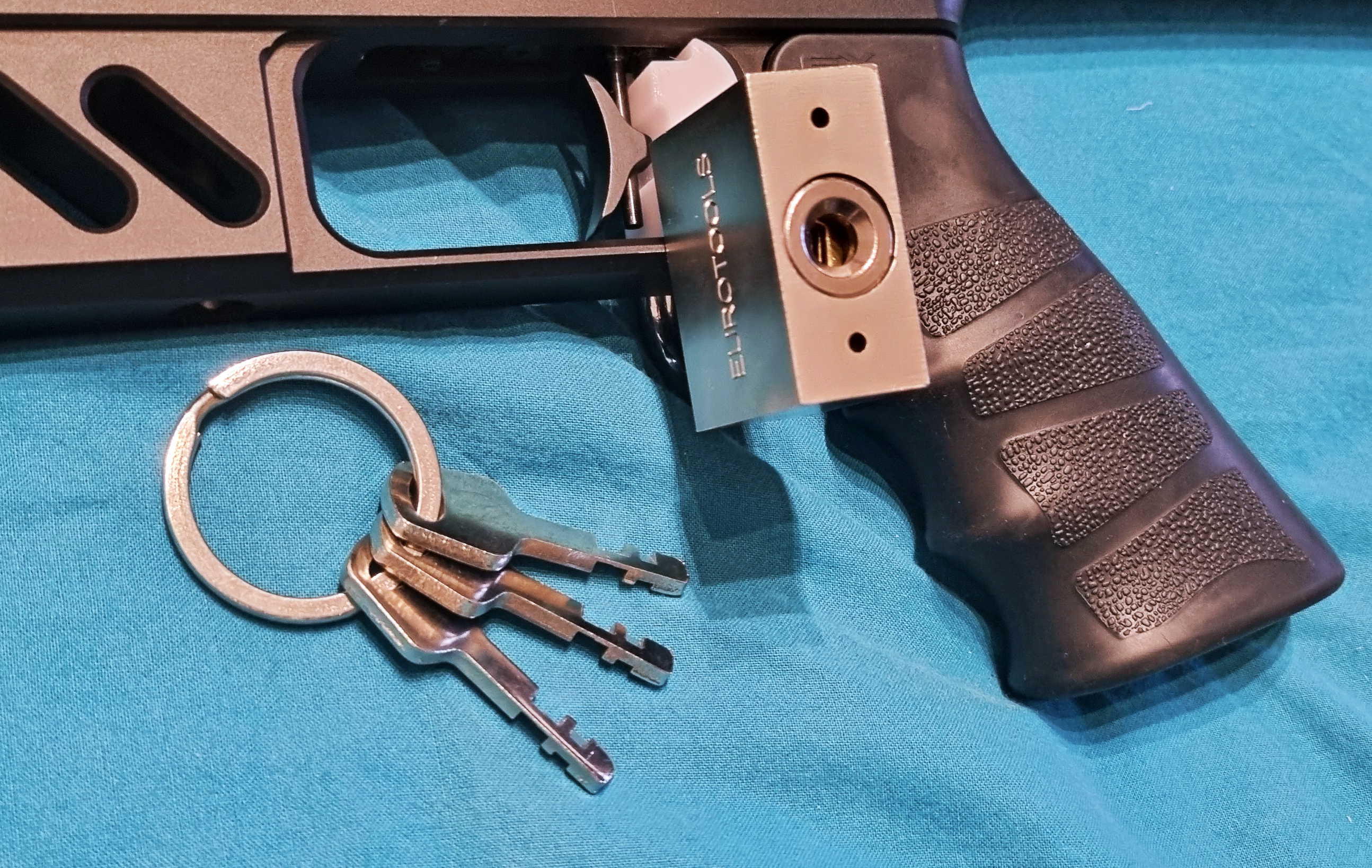
Begin by confirming the firearm is unloaded and the bolt is locked rearward, then drive out the rear takedown pin and pivot the upper receiver away. Support the lower receiver on a padded bench block to avoid scratching the finish. Depress the hammer with a gloved thumb and rotate it forward, relieving spring tension before drifting out the trigger pin and hammer pin from left to right using a roll pin punch. Carefully lift the old assembly, noting the orientation of the trigger spring legs, and safely remove your old trigger group without forcing any seized pins—apply CLP if resistance appears.
Q: What’s the first step for removing your old trigger group safely?
A: Visually and physically verify the chamber and magazine well are empty, then lock the bolt carrier group to the rear before any pin removal.
Tuning the Trigger for Smooth, Consistent Resets
After installing your new FRT-15, trigger tuning begins with checking the hammer and disconnector interface for burrs. Smooth, consistent resets depend on a clean sear surface and proper spring tension—lubricate lightly with grease, not oil. Test the reset by cycling the bolt slowly; if it sticks, polish the contact points with 1000-grit sandpaper. Adjust the trigger spring preload only if resets feel mushy, turning the screw in 1/8 increments. Over-tightening induces hammer follow, so always verify function with a snap cap before live fire. Follow this sequence:
- Disassemble and inspect for wear or debris.
- Polish sear and hammer hooks with fine abrasive.
- Reassemble and dry-cycle to feel the reset point.
- Apply grease sparingly to the trigger track and test 20 cycles.
Top Shooting Tips to Get the Most Out of Your Forced Reset Trigger
To maximize your forced reset trigger performance after securing an frt-15 for sale, master a firm, consistent grip—limp wrists cause malfunctions. Keep your support hand forward and apply steady rearward pressure on the trigger; do not slap or jerk it, as the reset requires a deliberate release. Use high-velocity ammunition with a flat base for reliable ignition, and avoid over-lubricating the trigger pocket, which attracts carbon. Practice short, controlled bursts rather than dumping the mag, letting the trigger’s mechanical reset dictate your rhythm. Finally, ensure your buffer weight matches your gas system; too light a buffer causes bolt bounce, ruining the rate of fire. With this technique, your FRT-15 trigger will deliver smooth, repeatable cycles without hiccups.
Proper Grip and Stance to Control Rapid Fire
Mastering **proper grip and stance for rapid fire control** is critical when running an FRT-15 for sale in your rifle. A high, thumbs-forward grip locks your support hand against the handguard, counteracting muzzle rise, while your firing hand maintains consistent downward pressure to prevent the trigger from shifting. Your stance should be a slight forward lean with elbows locked and bent inward, creating a rigid triangle that absorbs the forced-reset cycle’s recoil impulse. Without this, the trigger’s fast reset will outpace your body, causing erratic shot placement. Keep your head upright, eyes aligned with the optic, and weight on the balls of your feet—this keeps the rifle tracking flat for follow-up shots.
Question: What is the most common grip mistake during rapid fire with an FRT-15?
Answer: Gripping too low on the pistol grip and letting the support hand float. This creates a limp-wrist effect, which—combined with the trigger’s quick reset—causes the muzzle to dip and the shooter to lose sight alignment. Drive the support hand forward firmly and keep the firing hand’s thumb over the safety lever to maintain a consistent wrist angle.
How to Maintain Your Trigger for Longevity and Reliability
For your forced reset trigger longevity, strip the unit every 500–700 rounds to remove carbon fouling from the sear and trip surfaces; use a non-chlorinated solvent and a nylon brush—never steel. Apply a micro-thin coat of high-temperature grease to the carrier rails and trigger cam, avoiding oil on the hammer face. Inspect the reset spring for set or sag, replacing it at 5,000 rounds to prevent light strikes. After each range session, cycle the action manually under no spring tension to verify smooth reset. Torque the trigger housing screws to 15 in-lbs using a wrench—over-tightening cracks the polymer. rare breed triggers in stock Do not dry-fire without a snap cap, as repeated hammer fall wears the engagement notch.
Common Malfunctions and Quick Fixes You Can Do Yourself
When your FRT-15 for sale unit starts skipping or doubling unexpectedly, the first check is trigger group debris and carbon fouling; a quick field-strip and aerosol blast through the sear engagement surfaces often restores the forced-reset cycle. If you notice a sluggish reset, inspect the hammer spring’s coil alignment—a twisted spring causes drag, which you can fix by reseating it flat. Light primer strikes usually trace to a worn or incorrectly shimmed hammer, so swap in a spare mil-spec hammer and test with a fresh buffer spring. For intermittent hammer follow, tighten the trigger pin’s retaining clip and verify the disconnecter’s travel isn’t obstructed by grit. Finally, a misfeed after rapid fire often stems from over-lubricated bolt rails; wipe them dry and apply a thin grease only to the cam track.
Most malfunctions—fouled sears, twisted springs, weak hammers, or over-lubed rails—resolve with basic disassembly, cleaning, and spring reseating, no gunsmith needed.
Frequently Asked Questions About Buying an FRT-15
When you see an FRT-15 for sale, the first question is usually about compatibility—does it drop into your AR-15 lower without gunsmithing? Yes, it’s a straight swap for your standard trigger group, but you’ll want to confirm your bolt carrier is a full-auto profile, not a semi-auto one. Another common query is how the trigger feels; it’s a crisp, single-stage pull with no reset in the traditional sense, so dry fire practice helps you get used to the forced-reset rhythm. Buyers also ask about wear—use a heavier buffer and quality ammo to keep the hammer follow reliable. Finally, check if the seller includes the anti-rotation pins, since some kits require them for proper alignment. If you’re buying online, verify the listing states “for law enforcement only” or “civilian legal” to avoid surprises, and ask about warranty coverage before checkout.

Is the Trigger Legal to Own in My State?
Before you finalize an FRT-15 for sale purchase, the critical question is Is the Trigger Legal to Own in My State? Because the forced-reset trigger is classified as a machinegun by the ATF, your state’s firearm preemption laws dictate legality—not just federal rules. Some states prohibit any device that accelerates fire, while others defer to federal standards, making possession lawful. Check your state’s attorney general website for a direct ban list, not dealer assurances.
- Verify if your state specifically names “forced reset triggers” in penal code.
- Confirm whether local municipalities can impose stricter bans than your state.
- Contact your state’s firearms bureau for a written opinion before ordering.
Will It Work With My Existing Ammo and Mags?
The FRT-15 trigger is engineered around the standard AR-15 platform, so it is fully compatible with your existing 5.56 NATO and .223 Remington ammunition, as well as your current AR-pattern magazines. There is no need to purchase specialized rounds or proprietary mags to use the trigger. However, because the forced-reset mechanism relies on consistent bolt carrier movement, reliability with your existing ammo can vary if you use very low-pressure or underpowered loads that fail to fully cycle the action. Standard mil-spec or typical commercial ammunition, paired with any functional, unmodified magazine, will generally work without issue.
What’s the Average Price Range and Warranty Coverage?
For an FRT-15, the average price range typically sits between $350 and $500, though limited production runs or enhanced bolt carrier groups can push costs higher. Warranty coverage varies by manufacturer, but most reputable sellers offer a **limited lifetime warranty** against breakage or material defects, excluding normal wear and intentional misuse. Before purchasing, verify the warranty’s transferability, as some policies only cover the original buyer. If you buy used, the original warranty may not apply, so request proof of purchase and any service records. A clear sequence to follow:
- Confirm the seller’s stated price includes the trigger, and note any extra shipping fees.
- Review the warranty terms in writing, especially the coverage duration and what parts are included.
- Ask whether repairs require you to send the unit to the factory or an authorized gunsmith, and who pays for postage.