
Understanding Luck in Casino Gambling
Luck is an intrinsic element of casino gambling, serving as a powerful force that significantly influences the outcomes of various games. In games of chance, such as slot machines and roulette, results are entirely random and dictated by luck alone. These games operate on random number generators (RNGs) or physical mechanisms that create an unpredictable environment, stripping players of any control over the results. For those looking to enhance their gaming experience, a neosurf deposit casino can provide unique opportunities, leading to substantial wins or devastating losses.
For example, when a player engages with a slot machine, the outcome of each spin is independent and cannot be altered by any strategic decision-making. This lack of control can lead to thrilling highs when fortune smiles upon the player, but it can equally result in unexpected lows as luck turns sour. This dynamic heightens the excitement and allure of casino games, drawing individuals eager for both the thrill of risk and the possibility of substantial rewards. However, it’s crucial to recognize that while luck can yield incredible victories, it can just as easily lead to unforeseen financial setbacks, creating a volatile emotional landscape for participants.
Furthermore, the notion of luck varies significantly among players. For novices, gambling might feel like an entirely luck-based endeavor where outcomes are shrouded in mystery. In contrast, seasoned players recognize that their experience can inform their understanding of the games, even if luck still plays a pivotal role. This dual perception of luck—both as a random force and a subjective experience—adds depth to the casino environment, making it a captivating realm for those seeking the thrill of chance along with the hope of fortune.
The Importance of Skill in Casino Games
In contrast to the luck-centric nature of some games, skill plays a vital role in many popular casino games. Poker stands out as a prime example where players’ abilities can significantly influence the outcomes. Unlike games where results are purely based on chance, poker demands a keen understanding of strategy, probabilities, and psychological insight into opponents. Successful players often blend techniques such as bluffing and mathematical reasoning to gain an upper hand, showcasing how skill can directly affect their success at the tables.
Similarly, games like blackjack require a solid grasp of strategy and decision-making. Players who understand the optimal plays—like when to hit or stand—can effectively lower the house edge. Techniques such as card counting, though challenging, illustrate how skill can provide players with a strategic advantage over the house. This contrasts sharply with pure luck-based games where players are often at the mercy of random outcomes and have little ability to influence their chances of winning.
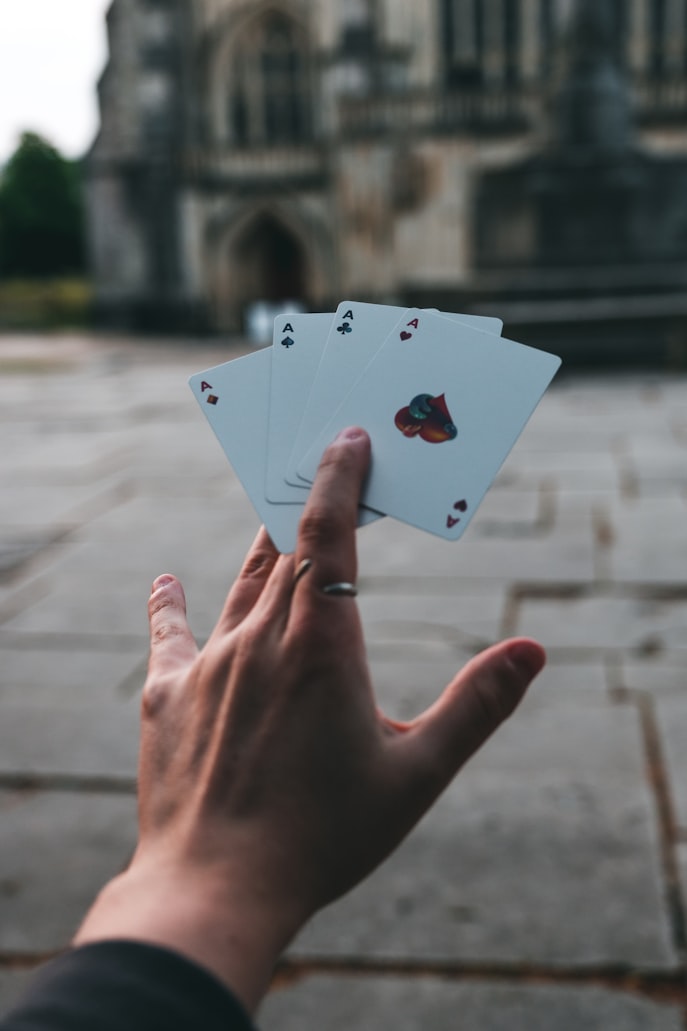
The involvement of skill not only enriches the gaming experience but also fosters deeper engagement among players. Those who invest time in mastering the intricacies of their chosen games frequently find themselves enjoying the process more than those who rely solely on luck. The satisfaction derived from successfully executing a well-timed play or making a calculated decision elevates the gaming experience, underscoring the importance of skill in the broader context of casino gambling. Therefore, while luck may reign in certain scenarios, the presence of skill adds a compelling layer to the overall experience.
The Interplay of Luck and Skill
The intricate relationship between luck and skill creates a rich tapestry within casino gambling, enhancing players’ experiences in multifaceted ways. Each game presents a unique blend of these elements, where skill can occasionally mitigate the randomness that luck introduces. For instance, a blackjack player employing a perfect strategy can make informed decisions that enhance their winning chances, yet they remain vulnerable to bad luck, such as poor card draws that can overturn their well-laid plans.
Conversely, a novice player may find themselves on an unexpected winning streak, racking up victories against more seasoned opponents purely due to fortunate circumstances. This unpredictability highlights the dual nature of gambling, where even the most skilled players can encounter situations that defy their expertise due to the whims of luck. The realization that luck can transcend skill, and vice versa, is part of what makes gambling both thrilling and unpredictable.
Ultimately, understanding the interplay between luck and skill allows players to appreciate the nuances of their gaming experiences. Players who can recognize the significance of both elements are better equipped to navigate the highs and lows of gambling, enhancing their overall enjoyment. This dynamic relationship fosters a vibrant gambling culture that continually attracts players, ensuring that the allure of winning—whether through luck or skill—remains a compelling aspect of the casino experience.
Psychological Aspects of Luck and Skill
The psychological dimensions of luck and skill in casino gambling can profoundly influence player behavior and decision-making processes. A common phenomenon among gamblers is the “gambler’s fallacy,” where individuals mistakenly believe that past results can predict future outcomes. This belief is particularly prevalent in games of chance, leading players to overestimate their control over luck and potentially making poor decisions that could result in financial losses. Understanding this psychological trap is critical for players to avoid falling into cycles of misguided betting.

On the flip side, games that emphasize skill can foster a sense of agency and confidence in players. Engaging in strategic thinking often leads individuals to feel more in control of their gameplay, resulting in a more satisfying experience. However, this sense of control can be a double-edged sword; overconfidence may cause players to underestimate the role of luck, leading them to take unwarranted risks based on the belief that their skill will consistently prevail, regardless of the circumstances.
Moreover, the emotional rollercoaster that accompanies gambling significantly impacts how players perceive the balance between luck and skill. The euphoric highs of winning can overshadow the disappointments of losing, creating a compelling cycle that keeps individuals returning to the gaming tables. By understanding the psychological interplay between luck and skill, players can better navigate their gambling experiences, fostering a healthier and more balanced approach to their gaming activities.
Avenue for Responsible Gambling
Responsible gambling is crucial in comprehending the delicate balance between luck and skill in casino gaming. Acknowledging that both elements play significant roles can help players establish healthy boundaries and mitigate excessive risk-taking. Whether relying on luck or honing their skills, players must adopt an approach focused on enjoyment rather than solely on financial gains. This perspective can contribute to a more enriching gambling experience and minimize the risks associated with problem gambling.
Additionally, educational initiatives that promote awareness regarding the interplay of luck and skill can empower players to make informed decisions. By encouraging individuals to explore and learn strategies for skill-based games, casinos can foster a culture of responsibility. This emphasis on education helps players recognize their limits and understand when luck is not on their side, thereby promoting safer gambling practices.
In summary, the role of luck versus skill in casino gambling creates a rich and complex interplay that enhances the thrill of the gaming experience. By understanding these components, players can make informed choices that increase their enjoyment while minimizing risks. As the gambling landscape evolves, promoting responsible gaming practices can cultivate a healthier relationship with both luck and skill, ensuring the excitement of casinos remains a cherished pastime for many.