

The Current State of UK Horse Racing: What’s Not On
UK horse racing has long been a cornerstone of British culture, renowned for its thrilling events, iconic tracks, and a vibrant community of enthusiasts, trainers, and bettors alike. However, in recent times, various factors have led to significant disruptions in the traditional racing calendar. These disruptions have raised many questions about the future and stability of this beloved sport, particularly when we consider the growing interest in UK horse racing not on GamStop non GamStop horse racing.
The Impact of Unforeseen Circumstances
One of the primary reasons events may not be taking place in the UK racing calendar is unforeseen circumstances such as inclement weather, public health measures, or logistical challenges. The unpredictability of the British weather can often lead to race cancellations, as tracks become unsafe for both horses and riders. Heavy rain can turn pristine tracks into muddy bogs, and fog can obscure visibility, making races potentially dangerous.
Recent Cancellations
Recent months have seen a wave of cancellations, with several high-profile events either postponed or entirely abandoned. Meetings that typically draw large crowds—like the Cheltenham Festival—have faced scrutiny, with officials working overtime to ensure that races can run safely. The economic impacts of frequent cancellations are being felt not only by the organizers but also by trainers, jockeys, and owners who often rely on race day revenue for their livelihoods.
Regulatory Challenges
In addition to environmental factors, regulatory challenges also play a significant role in the sustainability of horse racing. Stricter regulations around betting and gambling have led to confusion and uncertainty in the industry. There are ongoing discussions about the best ways to ensure that the sport remains viable while also protecting the interests of all those involved. The conversations around reforms sometimes lead to a reluctance to commit to certain dates on the calendar.
COVID-19 Aftermath
The aftermath of the COVID-19 pandemic has left a lasting impact on UK horse racing. Although racing has resumed, the ripple effects of the pandemic can still be felt. Many racecourses implemented new strategies to comply with health guidelines, including limited attendance, mask requirements, and enhanced sanitization measures. As they seek to adapt to this ‘new normal’, uncertainties surrounding crowd sizes and revenue streams loom overhead. Racing enthusiasts are still trying to navigate the changing landscapes of race days.
The Role of Technology
To counteract some of these issues, the integration of technology in horse racing presents a promising avenue. Virtual racing and online betting platforms have grown immensely popular, enabling fans to engage with the sport even when live events are not taking place. This trend also brings attention to non GamStop horse racing options, appealing to bettors who are looking for alternatives. The digital age has opened channels for fans to stay connected, watch races remotely, and place bets with more flexibility than ever before, broadening the audience base for the sport.
Community and Fan Engagement
The success of horse racing relies heavily on its community of fans and participants. Engaging with audiences during periods of uncertainty is crucial for maintaining interest in the sport. Many racing organizations have taken to social media and other platforms to keep fans updated on developments, share behind-the-scenes content, and foster discussions on topics related to racing.
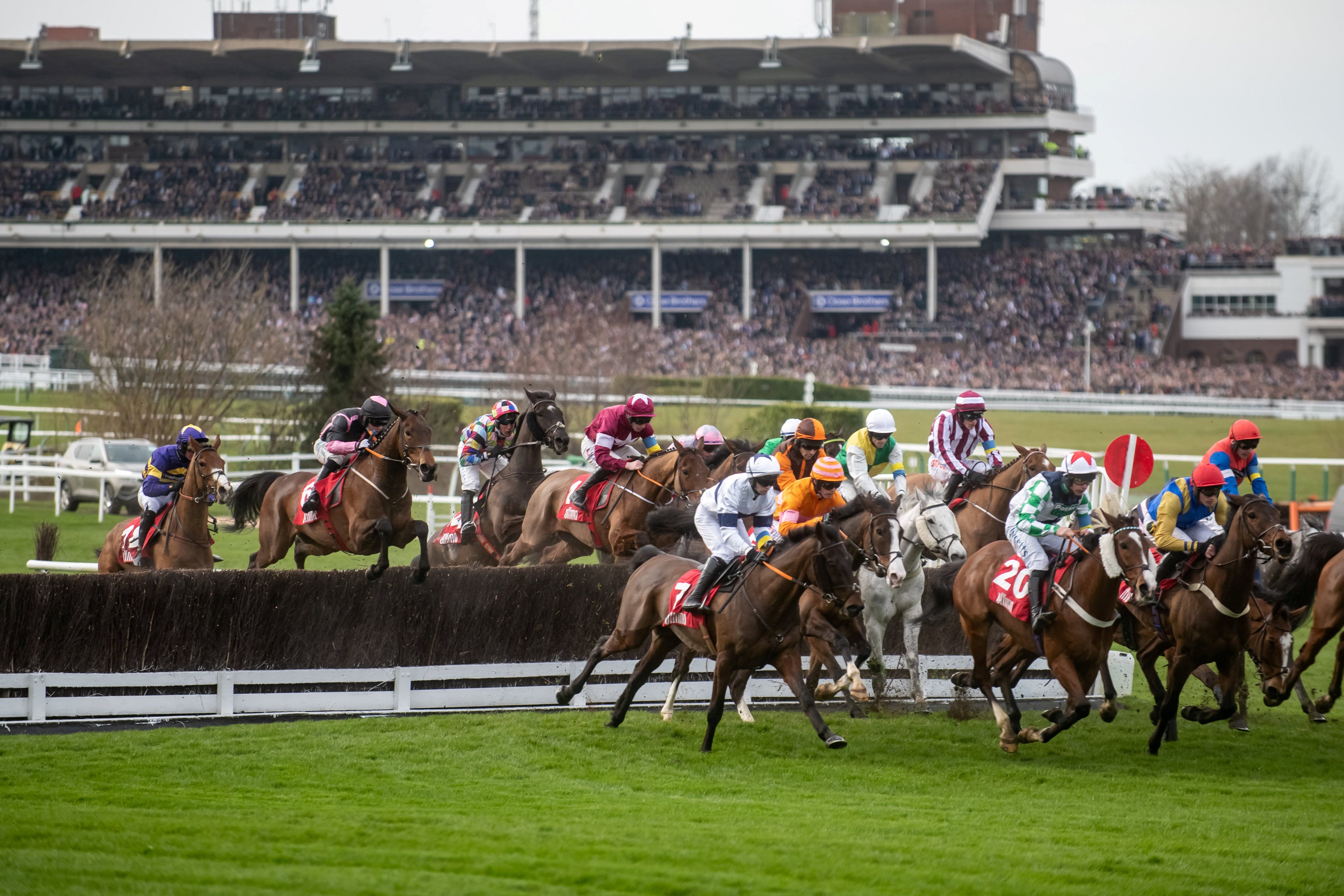
The importance of maintaining a connection with the racing community cannot be overstated. This engagement not only helps keep the spirit of the sport alive but also ensures that fans remain invested when live racing resumes. Events like virtual horse racing competitions or charity fundraising events can offer a way to connect even in the absence of physical races.
The Future Outlook
Looking ahead, the challenges faced by UK horse racing serve as a reminder of the sport’s resilience and adaptability. As stakeholders continue to navigate the complexities of regulatory reforms, technology integration, and community engagement, there is hope for a revival in racing events. While currently, many races may not be on the calendar, efforts to innovate and rebuild the sport are underway. The focus must be not only on preserving the tradition of horse racing but also on fostering its growth in a dynamic and rapidly changing world.
Conclusion
In conclusion, the current state of UK horse racing, particularly in light of cancelled events, highlights the vital importance of adaptability in the face of unforeseen challenges. While various factors contribute to the uncertainty, there remains a strong foundation of passion, community, and innovation. As the industry collectively works through these obstacles, the future of UK horse racing holds promise for both patrons and participants alike. Enthusiasts are encouraged to stay informed and engaged, knowing that each challenge brings new opportunities for the sport they love.