
Understanding the psychological tricks behind gambling addiction
The Allure of Winning: The Psychology of Reward
One of the core psychological tricks behind gambling addiction is the allure of winning, which taps into the brain’s reward system. When individuals gamble, their brains release dopamine, a neurotransmitter associated with pleasure and reward. This rush creates a euphoric feeling that encourages players to continue gambling, despite the potential losses. Each win, no matter how small, reinforces this behavior, creating a cycle of gambling driven by the desire for further rewards. Many find their next gaming adventure at https://luckyhuntercasino-canada.com/, which offers a variety of choices for those seeking excitement.

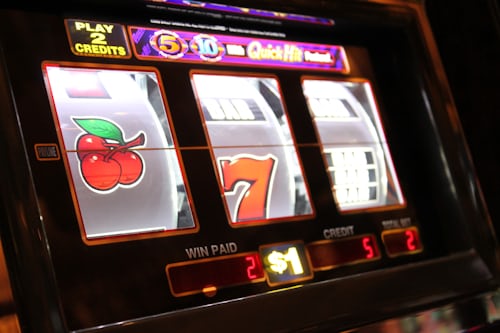
The unpredictability of wins plays a significant role in fueling this behavior. Variable rewards, where the timing and size of winnings are inconsistent, create heightened excitement and anticipation. This phenomenon can be seen in slot machines, where players can experience multiple losses before a sudden win, which often leads them to gamble even more. The thrill of the chase becomes addictive, making it challenging for individuals to walk away.
Moreover, cognitive biases can exacerbate this addiction. Many gamblers fall victim to the illusion of control, believing they can influence the outcome of games based on their strategies or choices. This false sense of mastery can lead them to gamble more aggressively, as they feel empowered by their decision-making abilities. Ultimately, the combination of instant gratification and cognitive distortions creates a perfect storm for developing gambling addiction.
The Role of Social Influence in Gambling Behavior
Social factors play a crucial role in the development of gambling addiction. Peer pressure and social acceptance can significantly influence an individual’s decision to engage in gambling activities. When surrounded by friends or peers who view gambling as a recreational activity, individuals may feel compelled to participate, often underestimating the associated risks. This normalization of gambling can lead to frequent participation and, in some cases, addiction.
Additionally, the rise of online gambling has transformed the social landscape of gambling. Virtual platforms allow individuals to engage in gambling activities from the comfort of their homes, providing a sense of anonymity that can lead to excessive gambling. Social media and online communities often glamorize gambling, showcasing big wins and exciting experiences, which can create unrealistic expectations and encourage individuals to gamble more.
The communal aspect of gambling, especially in casinos or online platforms, can further reinforce addictive behaviors. Players often share experiences, strategies, and even losses, which can create a false sense of camaraderie. This bonding over gambling can deepen the addiction, as individuals may associate their social interactions with gambling, making it harder to break free from the cycle.
Cognitive Dissonance and Rationalization in Gambling
Cognitive dissonance is another psychological trick that plays a significant role in gambling addiction. This phenomenon occurs when an individual experiences discomfort due to conflicting beliefs or behaviors. For instance, a gambler may recognize the financial strain their gambling habits are causing but simultaneously convince themselves that they will win back their losses. This rationalization can lead to continued gambling, often resulting in even deeper financial and emotional distress.
To manage the dissonance, individuals may engage in various rationalization techniques. They might believe that they are “due” for a win or that a certain strategy will finally yield positive results. This mindset can perpetuate gambling behavior, as each loss is dismissed as a temporary setback rather than a sign to stop. Such cognitive distortions can keep individuals trapped in their addiction, making it increasingly challenging to break free.
Furthermore, the role of denial cannot be overlooked in the context of gambling addiction. Many individuals downplay the severity of their gambling habits, convincing themselves that they are in control. This denial can lead to escalating gambling behaviors, as individuals ignore the warning signs and continue to chase elusive wins. Recognizing and addressing cognitive dissonance is crucial for those struggling with gambling addiction, as it paves the way for healthier coping mechanisms and recovery.
The Impact of Emotional Triggers on Gambling Decisions
Emotional triggers significantly influence gambling behaviors, often leading to impulsive decisions and addiction. Many individuals turn to gambling as a coping mechanism for stress, anxiety, or depression. The temporary escape that gambling provides can be immensely appealing, allowing individuals to forget their problems and indulge in a fantasy world of potential riches. However, this reliance on gambling to manage emotions can spiral into addiction.
Moreover, negative emotions can drive individuals to gamble even more. Feelings of boredom, loneliness, or frustration can lead people to seek out the excitement of gambling as a means of emotional relief. This pattern can become cyclical, as gambling may initially provide temporary pleasure, but ultimately leads to guilt and shame, prompting further gambling to escape these negative feelings. Over time, this cycle can solidify addiction, making it challenging for individuals to recognize and change their behavior.
Understanding the emotional triggers behind gambling is essential for breaking the addiction cycle. Individuals must learn to identify their emotional states and develop healthier coping strategies. By addressing the underlying emotional issues, individuals can reduce their reliance on gambling as a means of escape and work towards recovery.
Exploring Resources for Recovery and Responsible Gambling
Recognizing the psychological tricks behind gambling addiction is vital for fostering responsible gambling habits and promoting recovery. Online platforms like Lucky Hunter Casino strive to create a safe gaming environment by offering resources and tools that encourage responsible gambling. These resources can include self-exclusion options, deposit limits, and educational materials that help players understand the risks associated with gambling.
Additionally, support groups and counseling services can provide crucial assistance for those struggling with gambling addiction. Programs designed to address the psychological aspects of addiction can help individuals confront their behaviors, develop healthier coping mechanisms, and find support within their communities. The journey to recovery may be challenging, but with the right resources, individuals can overcome their addiction and regain control over their lives.
Ultimately, understanding the psychological tricks behind gambling addiction can empower individuals to make informed decisions about their gambling habits. By acknowledging the emotional, social, and cognitive factors at play, players can engage in healthier gambling practices and seek help when needed. Online casinos like Lucky Hunter Casino prioritize player well-being, ensuring that individuals have access to tools and support systems that promote responsible gambling and recovery.